
"The eye is always caught by light, but shadows have more to say."- Gregory Magui
- Frances Forshlager

- Jul 11
- 1 min read

Light presents itself during different phases of a child's day, Usually it will introduce itself on the eastern side of a learning space where the light greets them with a smile as they begin their connection. Light speaks to the child whilst drawing, painting or reading a book using a language which guides the child's creativity and inner voice through streams of energy.
The light from a microscope opens the lens for children to explore an object closer whilst providing an opportunity to understand the formation or shape of an object through shadows. Children will find ways to manipulate the object in order to received different points of views.

Even out in nature light can be captured through the elements, such as water, where shadows reflect the fluidity of currents or the stillness of trees surrounding the river bank. When light hits a rock pool found whilst exploring the seascape, what unveils before your eyes is a micro world of glittering shells, seaweed and tiny transparent fish.
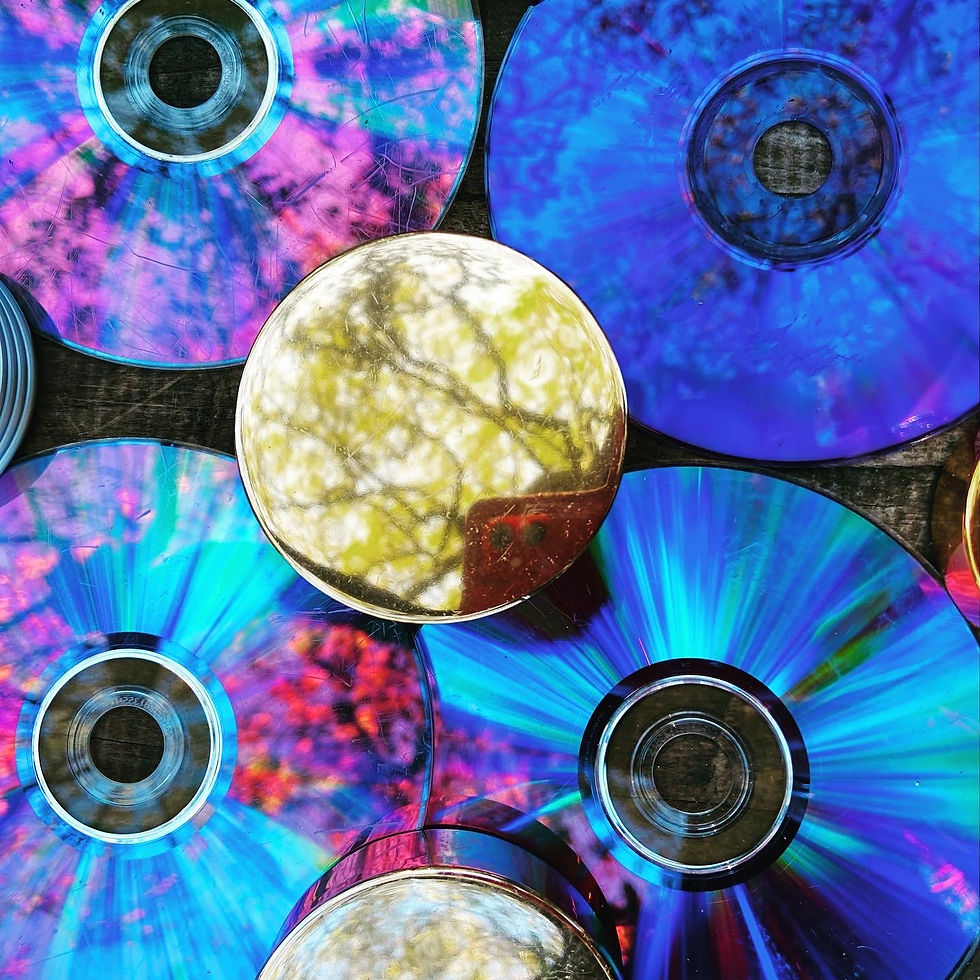
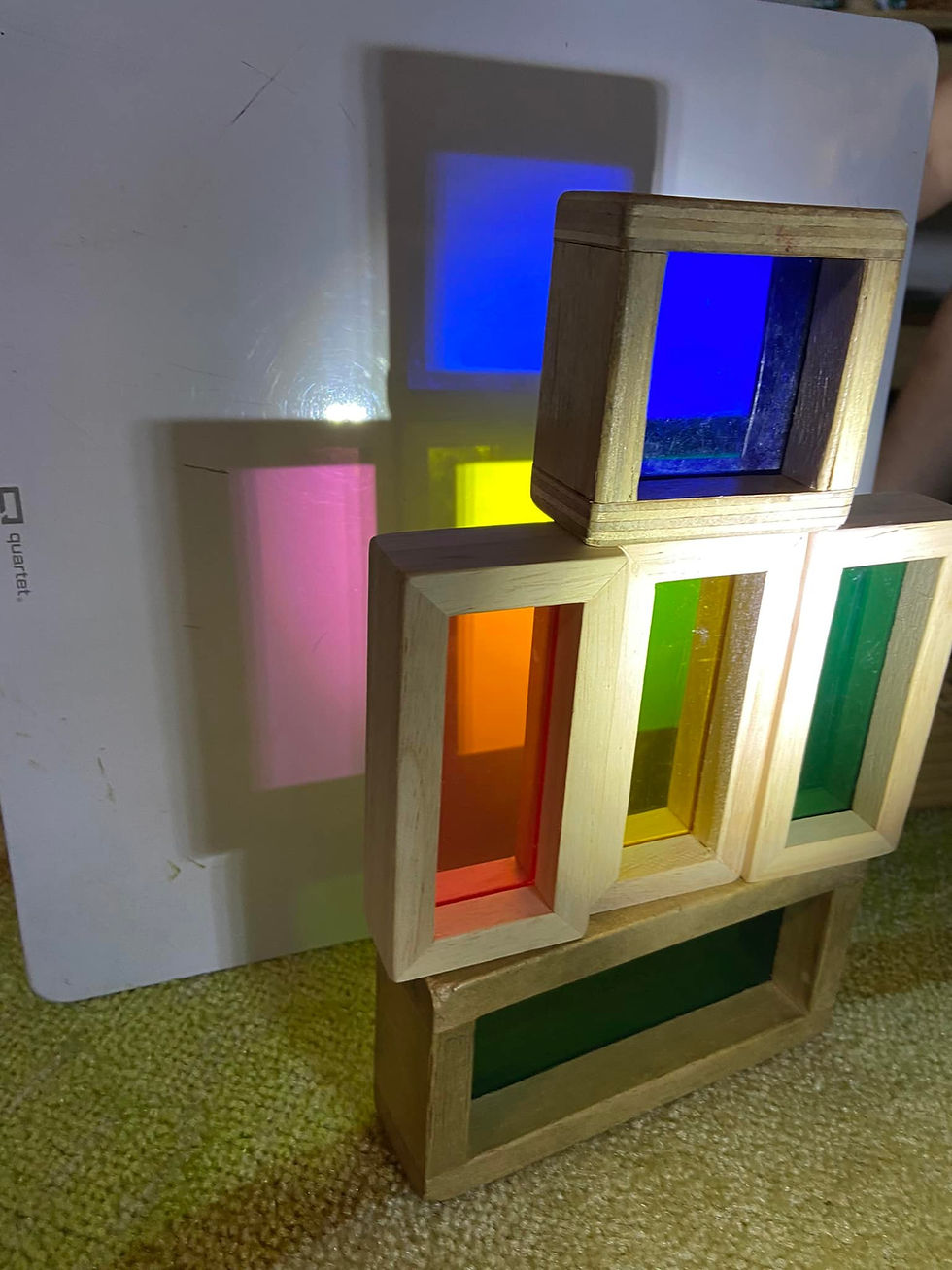
Children need the opportunity to be presented with open ended provocations and materials to extend their knowledge and understanding of light and shadows. Not one reflection will be the same, which means ever encounter will be different, and its a subject which can be explored during the day, inside or outside, and even at night through the use of torches.

Consider taking children to a modern art gallery, contemporary exhibitions or light show, as many artist incorporates light to extend storylines, connection to feelings and emotions or bring new dimensions to their work.



Comments